How Enterprises Move from Fragmented Data to Unified Intelligence Systems
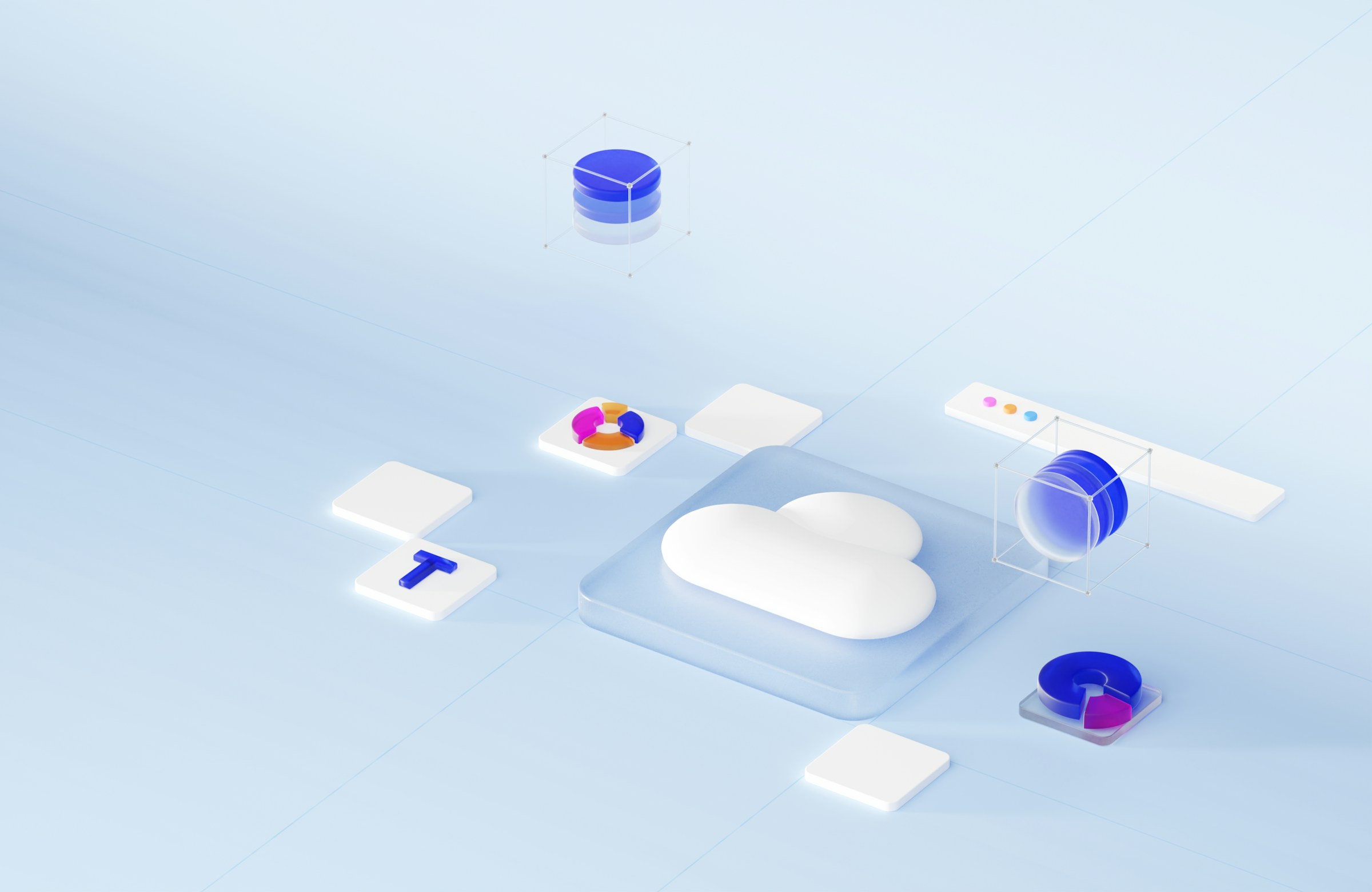
Enterprise data fragmentation is inevitable as systems scale. The challenge is not centralising data, but creating consistent intelligence layers that unify meaning across distributed systems.
Data fragmentation is a natural outcome of organisational growth.
Different teams build systems to solve specific problems. Marketing tools evolve independently from operational systems. Product analytics platforms are introduced without deep integration into core infrastructure. Over time, data becomes distributed across multiple environments with different structures, definitions, and update cycles.
At this point, the challenge is no longer data collection. It is data alignment.
One of the most common mistakes enterprises make is attempting to solve this by centralising everything into a single system. While this appears logical, it often creates scalability and governance challenges.
Modern approaches focus instead on abstraction and standardisation layers.
These layers sit above existing systems and create consistent definitions for key business entities such as customers, transactions, and operational events.
Rather than forcing systems to conform to a single structure, they translate inconsistent inputs into a unified semantic model.
This approach has several advantages.
First, it avoids disruption to existing systems. Teams do not need to rebuild applications to participate in the data ecosystem.
Second, it allows incremental adoption. New systems can be integrated into the intelligence layer without redesigning the entire architecture.
Third, it improves reliability of insights. When definitions are standardised at the layer above source systems, reporting becomes consistent even when underlying systems evolve independently.
The shift from fragmented data to unified intelligence is therefore not a storage problem. It is a modelling and integration problem.
Enterprises that understand this move faster from raw data accumulation to meaningful operational intelligence.
ready to build?
Partner with us to turn information into impact. Whether you're designing modern systems, solving complex engineering challenges, or building the next generation of intelligent platforms, our team helps you move from insight to execution at speed and at scale.